Rubbish pickup near Paddington Station: local options
Posted on 15/09/2026

If you need rubbish pickup near Paddington Station, you are probably dealing with one of those jobs that feels simple until you actually start. A few bags in a flat, an old sofa by the door, office clutter after a move, builders' waste after a refurb - suddenly the question becomes: who can collect it quickly, what can they take, and how do you avoid overpaying or causing a nuisance in a busy part of London?
This guide breaks down the local options around Paddington Station in plain English. You will see how rubbish pickup typically works, which service types suit different situations, what to check before you book, and the mistakes that cause delays or extra charges. We will also look at practical planning for flats, offices, and tight access streets around W2, because let's face it, Paddington is not the sort of place where you can just park anywhere and hope for the best.
To make the decision easier, the article also points you to useful pages on the available service range, pricing and quotes, and recycling and sustainability where relevant.
- Why this matters near Paddington Station
- How local rubbish pickup works
- Key benefits and practical advantages
- Who it is for and when it makes sense
- Step-by-step guidance
- Expert tips for better results
- Common mistakes to avoid
- Tools, resources and recommendations
- Law, compliance, standards and best practice
- Options and comparison table
- Case study or real-world example
- Practical checklist
- Conclusion
- Frequently asked questions
Why Rubbish pickup near Paddington Station: local options Matters
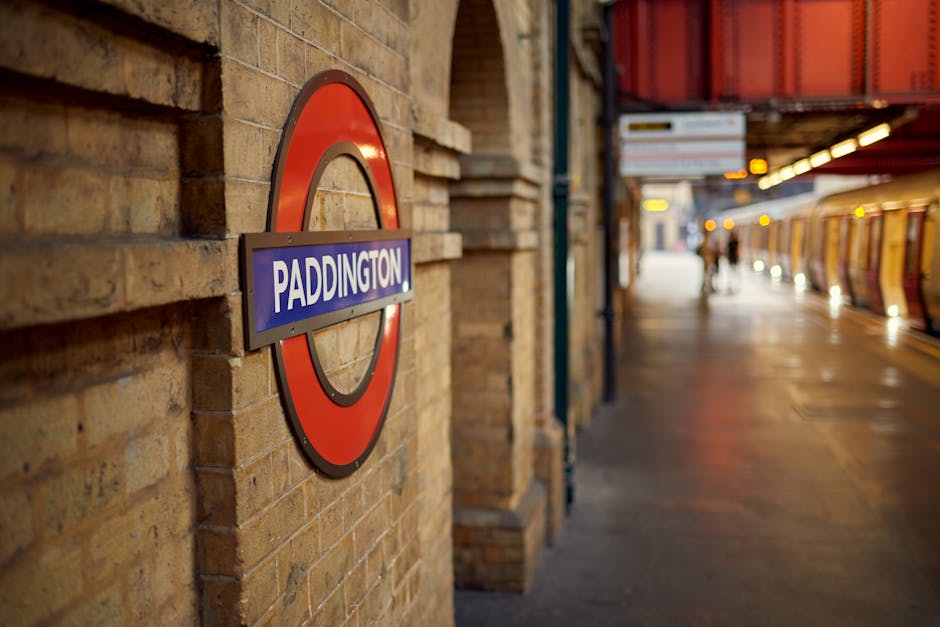
Paddington is busy, compact, and a little unpredictable in the way central London often is. There are commuters, hotels, office buildings, apartments, mews streets, retail units, and building works all moving at once. That mix matters because rubbish pickup is not just about removing waste; it is about removing it at the right time, from the right place, with the least disruption.
When rubbish builds up near Paddington Station, the consequences are more than cosmetic. A blocked hallway in a flat block can be a fire and access issue. Overflowing bags near a business entrance can affect customers and staff. A few bulky items left outside too long can invite complaints, pests, or even fly-tipping if people think waste has been abandoned. Truth be told, in a high-footfall area, even a short delay can become a bigger headache than expected.
That is why local options are worth understanding properly. A nearby rubbish pickup service can often handle same-day or next-day collection, work around narrow access, and advise on segregating waste before collection. In our experience, the best outcomes usually come from choosing the right service first rather than trying to solve everything with the cheapest-looking option.
Expert summary: Near Paddington Station, the best rubbish pickup option is usually the one that fits your access, timing, and waste type - not simply the one with the lowest headline price.
For a broader view of what local services may cover, it helps to look at rubbish collection in Paddington alongside more specific support such as house clearance in Paddington or office clearance in Paddington, depending on the job.
How Rubbish pickup near Paddington Station: local options Works
Most local rubbish pickup services follow a similar pattern, though the details vary by operator and waste type. The process is usually quicker than arranging a skip, especially if you do not want a container sitting outside for days in a busy street.
Typical collection flow
- Send a description of the waste. Photos help a lot. A picture of the pile, room, or access point is often more useful than a long explanation.
- Get an estimate or quote. Pricing is commonly based on volume, weight, labour, or a combination of these factors.
- Choose a time slot. In Paddington, early mornings, off-peak hours, or tight same-day windows can be especially valuable because the area gets busy quickly.
- Prepare the items for removal. If possible, separate general waste, cardboard, electricals, metal, and anything reusable.
- Collection takes place. The team loads the waste, checks anything unusual, and handles disposal or transfer for recycling where appropriate.
One thing people often underestimate is access. A collection in a first-floor flat with no lift is a very different job from clearing sacks from a ground-floor office. Likewise, a service van may need to stop a little way from the property if the road is crowded or parking is restricted. That is normal in central London, but it should be discussed upfront so nobody is surprised on the day.
For larger or mixed jobs, services may recommend a combined approach. For example, a small amount of junk may be taken as part of a standard collection, while heavier builders' waste or a full property clearance might be better handled through a more tailored service such as builders waste disposal in Paddington or waste removal in Paddington.
If you are comparing options, it is also worth checking whether the provider gives a clear explanation of what happens after pickup. That is where pages like recycling and sustainability can help set expectations.
Key Benefits and Practical Advantages
Local rubbish pickup near Paddington Station is popular for good reasons. It can save time, reduce stress, and make awkward jobs feel far more manageable. But the real advantages are a bit more practical than most people think.
- Speed: Useful when waste needs clearing before a tenancy check-out, delivery, event, or office handover.
- Less disruption: No need to keep a skip outside for several days if space is tight.
- Flexible volume: Suitable for one-off bulky items, mixed rubbish, or a fuller property clear.
- Local knowledge: Helpful in busy streets, estate access points, and buildings with awkward loading rules.
- Cleaner presentation: Particularly important for landlords, letting agents, shops, cafes, and offices near the station.
There is also a quieter benefit: it helps you make a proper decision about what is actually rubbish and what is worth keeping, selling, donating, or recycling. Once a room is cleared, you can see the space again. Sounds obvious. Still, people delay it for weeks.
Another advantage is that a good service can often reduce the amount going to landfill by separating recyclable items sensibly. If you care about that side of things, or if your business has waste reporting requirements, asking about sorting methods and disposal routes is a sensible move.
Who This Is For and When It Makes Sense
Rubbish pickup near Paddington Station suits a surprisingly wide range of people. Some are dealing with everyday clutter. Others are in the middle of a much bigger change. Either way, it tends to make sense when time, access, or volume are the main problem.
Common situations where local pickup helps
- Residents in flats or managed buildings who cannot leave waste out for long.
- Landlords and letting agents preparing a property between tenancies.
- Businesses near Paddington Station needing office, stockroom, or fit-out waste removed.
- Trades and refurb teams with mixed lightweight builders' debris and packaging.
- People clearing a home after a move, bereavement, or long period of accumulation, where sensitivity matters as much as speed.
If the waste is only a few small bags and you have easy access to local bins or scheduled council services, a dedicated pickup may not be necessary. But if you have bulky items, mixed materials, restricted access, or a deadline, the value becomes obvious fast.
One real-world example: a couple moving out of a top-floor flat near Praed Street may need old wardrobe parts, broken shelving, a mattress, and packaging removed in one visit. That is exactly the kind of job where a local collection beats trying to make half a dozen trips. Nobody wants to drag a wardrobe panel through a busy station area at rush hour. Nobody.
Step-by-Step Guidance
If you want a smooth rubbish pickup, a little preparation goes a long way. Here is a simple process that works well in practice.
1. Identify the waste clearly
Write down what you have: bags, furniture, white goods, electricals, cardboard, garden cuttings, builders' rubble, or mixed waste. The more specific you are, the better the estimate will be.
2. Take a few photos
Photograph the pile from different angles and include the access route if it is awkward. A narrow staircase or a basement store room can change the job quite a bit.
3. Check for restricted items
Some items need special handling, especially electrical equipment, fridges, paint, sharp materials, or anything with fluid inside. If you are unsure, ask before collection day.
4. Compare service type, not just price
Some providers specialise in household junk, others in office clearance, and some in builders' waste. A specialist is not always necessary, but the wrong service can mean delays or add-on charges. A neat, no-fuss office clear may sit better with an office clearance specialist, while a mixed domestic job may be better suited to house clearance.
5. Confirm timing and access
Make sure the collection window works with lift access, concierge hours, parking restrictions, and any building rules. This part sounds dull, but it saves a lot of back-and-forth.
6. Prepare the area
Move items into one place if you can, but do not lift heavy objects unsafely. Clear a path, protect walls if needed, and keep keys or entry codes ready.
7. Ask what happens after collection
Some items will be reused, some recycled, and some disposed of. A clear explanation of the process shows the provider is organised and transparent.
That is the basic flow. Not glamorous, but effective.
Expert Tips for Better Results
Here are the small things that tend to improve outcomes around Paddington, especially if you are trying to keep a job quick and tidy.
- Book earlier than you think. Same-day collection can be available, but the best time slots go fast, especially on busy weekdays.
- Be realistic about volume. People often underestimate how much space flattened furniture or mixed renovation waste takes up.
- Separate obvious recyclables. Cardboard, metal, and clean wood may be easier to sort if they are grouped neatly.
- Think about neighbours. In apartment blocks, a tidy collection point and clear timing reduce complaints. Simple, but important.
- Keep pathways open. If a team has to squeeze through a cluttered corridor, the job takes longer and risk goes up.
- Ask for clarity on loading and disposal. A clear answer upfront is better than a vague promise.
One surprisingly useful tip: if your waste includes items you might want to keep, separate those before the team arrives. Once a room starts emptying, things blur together. A charger cable, a box of paperwork, and an old router can all look like "junk" at 7:30 in the morning.
And yes, it is worth taking five minutes to check drawers, under beds, and behind storage units before the pickup. That is where the useful stuff hides.
Common Mistakes to Avoid
Most bad experiences with rubbish pickup are avoidable. Usually it comes down to unclear communication, poor preparation, or choosing the wrong service for the job.
1. Not describing the waste properly
"A few bits and pieces" is not enough detail. If there are sofas, carpets, broken shelving, paint tins, or fridges, say so from the start.
2. Ignoring access issues
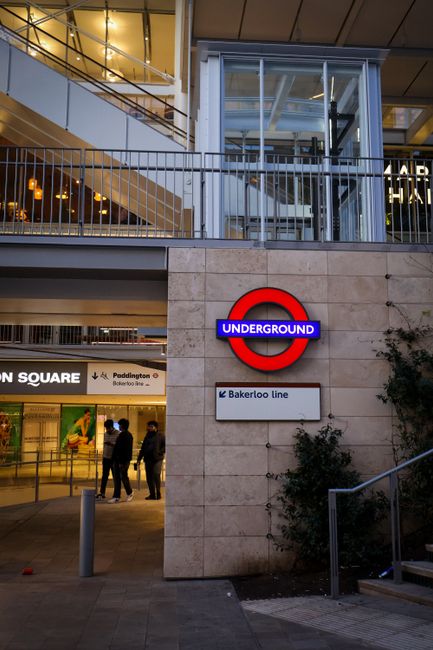
Paddington has plenty of tight entrances, shared hallways, and areas where stopping is tricky. If access is awkward, say it. The collection team can then plan properly.
3. Waiting until the last minute
This is the classic one. A move-out deadline or office handover can make the job feel urgent overnight, but bookings still need time. Sometimes you will get lucky, sometimes not.
4. Assuming every item is acceptable
Some waste streams need separate handling. If you mix general rubbish with items that need special treatment, the provider may need to adjust the quote or decline certain items.
5. Choosing only on headline price
Cheapest is rarely cheapest once you factor in missed access, extra labour, or unexpected surcharges. A fair, transparent quote usually works out better.
6. Forgetting building rules
In managed blocks, there may be loading bays, booking rules for lifts, or quiet hours. The collection needs to fit around those realities, not bulldoze through them.
A little planning saves a lot of stress. Honestly, it saves a surprising amount of grumbling too.
Tools, Resources and Recommendations
You do not need a toolkit the size of a builder's van to organise rubbish pickup, but a few simple things make the process easier.
- Phone camera: For photos of the waste, access, and any awkward item dimensions.
- Measuring tape: Useful for bulky furniture, especially if stairs or doorways are tight.
- Sticky notes or labels: Handy for separating "remove" and "keep" piles in a clear way.
- Box cutter or screwdriver: Helpful for breaking down flat-pack furniture, if safe to do so.
- Bin bags and sturdy boxes: Best for loose clutter, paperwork, textiles, and smaller items.
On the service side, it can help to compare a few local options before you book. Start with a general overview such as services overview, then move to the specific job type. If you are clearing a garden or outdoor space, garden waste removal in Paddington may be the more suitable route. If the job involves a full property or a sensitive clearance, house clearance in Paddington is usually worth considering.
If budget planning matters, check the provider's approach to pricing before the day. A page like pricing and quotes can help you understand whether the estimate is likely to be straightforward or whether extra detail is needed. For urgent jobs, same-day quote guidance for W2 waste clearance may also be useful.
For people trying to understand local life and access patterns around the station area, the following can also give useful background: a local review of life in Paddington and a neighbourhood worth discovering. Not essential, but they help paint the picture.
Law, Compliance, Standards, or Best Practice
Waste handling is one of those areas where common sense is helpful, but good practice matters just as much. You do not need to know every technical detail to make a sensible booking, though you should understand the basics.
First, waste should be transferred and disposed of responsibly. A reputable provider should be able to explain how it manages collection, sorting, recycling, and disposal in a general way. If you are a business, you may also need to think about records, duty of care, and the type of waste being generated. The exact requirements depend on the job, so it is better to ask than guess.
Second, certain materials need more care. Electrical items, fridges, sharp objects, liquids, and construction debris may have special handling needs. If you are clearing a flat or office, it is wise to flag those items early.
Third, fly-tipping is never a harmless shortcut. Leaving rubbish outside the wrong place, at the wrong time, can cause problems for neighbours, building managers, and the local area. Around busy transport hubs, that can escalate quickly. The simplest best practice is still the best: book a proper pickup and make the collection point clear.
If you are dealing with builders' materials, it may be worth reviewing whether a skip permit is needed in W2 before deciding between skip hire and direct pickup. Skips are useful in some cases, but they are not always the easiest option near Paddington Station.
Practical rule of thumb: if the waste is mixed, bulky, time-sensitive, or difficult to move, a local pickup is often the cleaner and more controlled choice.
Options, Methods, or Comparison Table
There are a few ways to deal with rubbish near Paddington Station. The right one depends on the amount, the access, and how quickly you need the area clear.
| Option | Best for | Strengths | Possible drawbacks |
|---|---|---|---|
| Local rubbish pickup | Mixed household waste, bulky items, quick clearances | Fast, flexible, minimal disruption | Needs clear access and a good description of waste |
| House clearance | Whole rooms, flats, inherited properties, larger domestic jobs | Comprehensive, organised, suitable for bigger volumes | May be more service than you need for a small pile |
| Office clearance | Desks, chairs, filing, IT-related clutter, business moves | Good for commercial timing and structured removals | Needs planning around working hours and building access |
| Builders' waste disposal | Renovation debris, offcuts, packaging, site waste | Suited to trade jobs and heavier materials | May not fit general household waste as neatly |
| Skip hire | Longer projects with space for a container | Good for ongoing clear-outs | Parking, permit and space issues can be awkward near central London |
For many Paddington jobs, direct pickup wins because it is simply less hassle. You do not need to sacrifice a parking space or leave a container outside the property while commuters stream past. That said, skips can still make sense for long projects. The point is not to pick a "winner" in the abstract - it is to choose the least annoying option for your actual situation.
Case Study or Real-World Example
Here is a realistic example. A small office near Paddington Station was relocating and had a mix of old desks, task chairs, cardboard, boxed cables, and a few broken storage units. The team needed the space cleared before a handover the next morning. Not ideal timing, obviously.
The first step was sorting the waste into simple groups: reusable items, recycling, and general rubbish. Photos were sent ahead so the collection could be planned without guesswork. Access was the next issue. The building had a narrow loading route and a limited window for vehicle stopping, so the pickup was arranged for an off-peak time.
What made the job work was not magic. It was clarity. The provider knew what to expect, the office team knew what to move to one side, and the collection happened without fuss. A few things were recycled, the rest removed, and the handover went through on time. Small win, but a very real one when the deadline is close.
That kind of job is common around Paddington. Shops, offices, apartments, and managed buildings all have different access rules. The smoother your planning, the quicker the pickup feels. And if you are juggling other work at the same time, that matters more than people admit.
Practical Checklist
Use this quick checklist before you book rubbish pickup near Paddington Station.
- List the waste clearly, including any bulky or unusual items.
- Take photos from a couple of angles.
- Measure large items and check doorways or stairs if needed.
- Separate anything you want to keep before the team arrives.
- Identify electricals, liquids, sharp items, or other special waste.
- Check building access rules, lifts, loading bays, and time restrictions.
- Ask whether the service suits household, office, garden, or builders' waste.
- Confirm how pricing is worked out and whether there may be extra charges.
- Ask what happens after collection, especially for recycling.
- Choose a collection time that avoids your busiest or most restricted period.
If you can tick most of those off, you are in good shape. If not, slow down a bit and ask a few more questions. Better to spend five minutes now than fifty later.
Get a free quote today and see how much you can save.
Conclusion
Rubbish pickup near Paddington Station is really about making a busy, awkward job feel manageable. The best local option is the one that fits your waste type, your access, your timetable, and your expectations around disposal. For some people that means a quick one-off collection. For others it means a fuller clearance with careful sorting and a bit more coordination.
If you remember only one thing, make it this: the smoother the information you give upfront, the smoother the collection will be. Clear photos, clear access details, clear timing. Simple things, but they do the heavy lifting.
And once the waste is gone, the space feels different. Lighter. Calmer. A bit more yours again. That part never gets old.

Copyright © . House Clearance Paddington. All Rights Reserved.