Rubbish collection tips for Sussex Gardens residents
Posted on 28/04/2026
Living in Sussex Gardens has its advantages: central location, elegant streets, and easy access to the wider Paddington area. But rubbish collection can become oddly complicated in a neighbourhood where space is tight, access can be awkward, and bins need to be managed carefully. Whether you are clearing a flat, getting rid of bulky waste, or simply trying to keep day-to-day waste under control, the right approach saves time, reduces stress, and helps avoid missed collections or unnecessary charges.
This guide brings together practical rubbish collection tips for Sussex Gardens residents, with a focus on what actually works in a busy W2 setting. You will find step-by-step advice, common mistakes to avoid, local considerations, and a simple checklist you can use before booking a collection or putting waste out for removal.
If you want to understand how rubbish collection fits into the wider Paddington area, it can also help to read about living in Paddington from a local perspective and the broader service options on the services overview page.

Why rubbish collection tips for Sussex Gardens residents matters
Sussex Gardens is not the sort of place where waste management can be treated casually. Flats often have limited storage, shared entrances, narrow stairwells, and restricted kerb space. That means even straightforward clear-outs can become difficult if you do not plan properly.
Good rubbish collection habits matter for a few practical reasons. First, they keep communal areas clear and make life easier for neighbours, landlords, and managing agents. Second, they reduce the chance of waste being left out too early, which can attract attention, block access, or simply create an untidy street scene. Third, they make collections cheaper and faster because waste is sorted, bagged, and ready to load.
There is also a real safety angle. Broken glass, old furniture, paint tins, and sharp metal can all cause problems during handling. A little preparation reduces the risk of injury and helps ensure that items are moved efficiently. In a place as busy as Sussex Gardens, that matters more than people sometimes realise.
For residents comparing options, it helps to understand the local service landscape. A general rubbish collection service in Paddington may suit regular household waste, while larger jobs are often better handled through waste removal in Paddington or a more specific service such as house clearance.
Expert summary: In Sussex Gardens, the best rubbish strategy is usually the simplest one: sort early, keep access clear, separate bulky items from everyday waste, and book the right service for the job.
How rubbish collection works
At a practical level, rubbish collection is about matching the right waste stream with the right collection method. Everyday bagged waste, mixed household rubbish, bulky items, green waste, and builder's debris all need different handling. The better you match the waste to the service, the smoother the collection will be.
For most residents, the process looks something like this:
- Identify what needs to go and separate it by type.
- Check whether any item can be reused, donated, or recycled first.
- Bag or bundle smaller items safely.
- Measure or estimate bulky items so there are no surprises on the day.
- Choose a collection slot that fits building access and lift availability.
- Make sure items are easy to reach when the team arrives.
In a shared building, access matters almost as much as the waste itself. If a sofa needs to pass through a tight hallway or down several flights of stairs, that should be known in advance. The same goes for parking restrictions, loading space, and any porter or concierge requirements.
If your waste is linked to a refurbishment or DIY job, a specialist route such as builders waste disposal in Paddington is usually more appropriate than a standard household pickup. Garden debris is different again, so residents with planters, hedge cuttings, or soil may prefer garden waste removal.
Key benefits and practical advantages
People often think rubbish collection is simply a matter of getting things out of the way. That is true, but only partly. The real advantage is that a good process saves time in several places at once.
Here are the main benefits Sussex Gardens residents tend to notice:
- Less clutter at home: A clear flat feels calmer and easier to live in, especially where storage is limited.
- Safer hallways and stairs: Bulky items are removed in a controlled way rather than being dragged out awkwardly.
- Fewer building issues: Shared spaces stay clear, which reduces neighbour complaints and access problems.
- Better recycling outcomes: Separating recyclable items early improves the chance that materials are handled properly.
- More predictable costs: A tidy, well-described load is easier to quote for than a mixed pile of unknown items.
- Less stress on collection day: You know what is happening and where items are going.
The other advantage is flexibility. Not every resident needs the same thing. Some simply need a one-off pickup for a broken wardrobe. Others may need full property clearance after a move or tenancy change. In those cases, using a service designed for that scale is usually much easier than piecing together multiple smaller removals.
It can also be useful to look at the wider context of local services and standards by reviewing the company's recycling and sustainability approach. That is especially helpful if you care about minimising landfill where possible.
Who this is for and when it makes sense
This guide is for anyone in Sussex Gardens who needs a clearer, more reliable way to handle waste. That includes long-term residents, tenants, landlords, short-let hosts, property managers, and people preparing a home for sale or letting.
It makes particular sense if you are dealing with any of the following:
- a flat clearance after a move
- bulky furniture that will not fit into standard bins
- regular overflow from a busy household
- DIY or refurbishment waste
- garden trimmings or outdoor waste
- waste from an office or home workspace
- items that need careful handling because they are heavy, awkward, or fragile
Residents often ask whether a standard collection is enough or whether they need a specialist service. A good rule of thumb: if the waste can be bagged, lifted safely, and collected without much disruption, a regular collection may be fine. If it involves multiple heavy items, access challenges, or mixed materials, specialist removal is usually the better choice.
For larger domestic jobs, the house clearance service from the related Paddington team can be a practical option when a flat, rental, or inherited property needs to be emptied efficiently. If you are looking at commercial premises, office clearance support may be more relevant.
Step-by-step guidance
If you want the cleanest possible collection day, the process should start before the waste is ever moved to the front door. The following steps work well for most Sussex Gardens households.
1. Walk through the property room by room
Start with a quick review of each room and identify what is actually going. This avoids the common mistake of gathering "maybe" items that later have to be put back. Separate what is staying, what can be donated, and what must be disposed of.
2. Split waste by category
Keep everyday rubbish, bulky waste, recyclable materials, garden cuttings, and builders' debris separate. Mixed piles slow down collections and can lead to avoidable disposal issues.
3. Check for items that need special treatment
Batteries, paint, chemicals, and electrical items may require different handling from ordinary household waste. If you are unsure, do not just assume it can all be thrown together. A careful sort now is better than a problem later.
4. Measure large items before booking
Wardrobes, mattresses, bed frames, desks, and sofas are the usual troublemakers. If an item is unusually large or awkward, say so early. It helps with planning and reduces the risk of a failed collection.
5. Clear the access route
Make sure hallways, stairwells, and entrance areas are free from obstacles. If items are being collected from upper floors, move small loose items out of the way so the team can work safely.
6. Confirm the collection details
Double-check the date, collection window, access instructions, parking notes, and contact number. This sounds basic, but it is often where delays start. Truth be told, the "we thought someone else had confirmed it" problem is a classic in shared buildings.
7. Prepare the waste just before collection
Unless you have been told otherwise, place waste out only when it is ready to be collected. This helps keep communal areas tidy and reduces the chance that items are moved, damaged, or interfered with.
If you need a better sense of the service journey before booking, the pricing and quotes page is a useful place to compare expectations and see how jobs are usually assessed.
Expert tips for better results
A few small adjustments can make a large difference to how smoothly a collection goes in Sussex Gardens.
Book with the building in mind
If your building has limited lift access, concierge hours, or a narrow entrance, arrange the collection for a time when movement will be easiest. Mid-morning often works better than peak commuting periods, but the right answer depends on the building.
Use strong, consistent containers
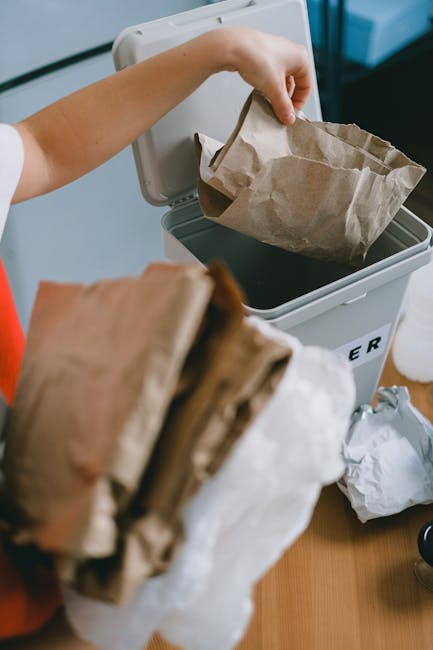
Weak bags split easily, and mixed containers waste time. Use sturdy sacks for general rubbish and secure bundles for paper, cardboard, or smaller items that can be tied together neatly.
Keep recyclables clean where possible
Empty bottles, flattened cardboard, and separated metals are easier to handle than contaminated mixed waste. You do not need to scrub everything spotless, but removing obvious food residue or liquid helps.
Don't ignore access and parking
In a busy area, parking can be the difference between a fast collection and a frustrating one. If the team needs to stop close to the entrance, make sure the plan reflects the local road layout and any restrictions.
Use the right service for the waste type
A standard pickup is not always the best match. Furniture, refurbishment waste, and full property clearances are better handled through the relevant specialist service. It is usually more efficient and, in practice, more cost-effective.
Take photos before major clear-outs
This is especially helpful for landlords, agents, and tenants at the end of a tenancy. Photos can make it easier to confirm what was removed and what remained, reducing confusion after the job.
For residents who want a deeper local read before making decisions, this guide to the Paddington area is a useful companion piece.
Common mistakes to avoid
Most rubbish collection problems are not dramatic. They are small errors that stack up. The good news is that they are easy to avoid once you know what to look for.
- Leaving sorting until collection day: This creates confusion and slows everything down.
- Mixing hazardous items with ordinary waste: Certain items need separate handling and should not be treated as standard rubbish.
- Underestimating how bulky items are: A sofa always looks smaller in the living room than it does in the hallway.
- Blocking access routes: This can make removal slower and less safe.
- Forgetting to tell the provider about stairs or restricted access: Hidden access issues are one of the most common causes of delays.
- Putting waste out too early: This can create visual clutter and increase the chance of items being moved or damaged.
- Choosing the wrong service: A general pickup may not suit builders' waste or a full flat clearance.
There is one more mistake worth mentioning: assuming all waste is the same. It is not. Household rubbish, recyclable material, furniture, electricals, and construction debris all behave differently in collection and disposal. Getting that part right is half the battle.
Tools, resources and recommendations
You do not need much equipment to manage rubbish well, but a few tools make the job easier.
- Heavy-duty bin bags: Better for general waste and less likely to tear.
- Gloves: Useful for handling sharp or dusty items.
- Tape and labels: Handy for marking boxes or separating keep/recycle/dispose piles.
- Measuring tape: Important for sofas, wardrobes, beds, and appliances.
- Black marker pen: Simple, but useful for labelling contents or access notes.
- Cleaning wipes or dust sheets: Helpful if items are stored near a hallway or lift.
For service selection, it helps to keep a short list of what you need before requesting a quote. That should include the type of waste, approximate volume, whether items are heavy, and whether access is straightforward. The clearer the description, the more useful the quote is likely to be.
Useful pages to review before booking include about the company, insurance and safety information, and the payment and security details. Those pages help build confidence when you are choosing a provider for work in a shared residential area.
If your clean-up is connected to a broader move, refurbishment, or tenancy change, the related article on local life in Paddington can also help you understand the practical side of living and moving in the area.
Law, compliance, standards, and best practice
Waste disposal in the UK is not something to guess at. While this article is practical guidance rather than legal advice, there are a few common-sense rules and best practices every resident should keep in mind.
First, only use a waste carrier that handles rubbish lawfully and responsibly. If a provider cannot explain where waste goes, that is a red flag. Second, make sure hazardous or specialist waste is treated separately where needed. Third, avoid leaving waste in communal spaces longer than necessary, especially if it could obstruct access or create a nuisance.
For residents and landlords, the safest approach is to work with a provider that is clear about disposal, recycling, and safety standards. That should include how waste is loaded, how items are separated, and whether the service is insured. If a job involves stairs, shared entrances, or fragile common areas, that matters just as much as price.
You can also review the company's terms and conditions and privacy policy before booking. These pages are not exciting reading, admittedly, but they are useful if you want to know how a service operates and what information is collected.
For residents thinking about sustainability, the recycling and sustainability page is especially relevant. Good best practice is not just about removing waste quickly; it is about handling it responsibly.
Options, methods, and comparison table
Different rubbish jobs need different methods. Below is a simple comparison to help Sussex Gardens residents choose the most sensible option.
| Method | Best for | Strengths | Limitations |
|---|---|---|---|
| Regular household collection | Everyday bagged waste | Simple, familiar, low effort | Not suitable for bulky or mixed items |
| Booked rubbish collection | General household clear-outs | Flexible and convenient | Needs accurate descriptions and access planning |
| Bulky waste removal | Furniture, mattresses, awkward items | Better for large objects, faster clearance | May need advance notice for stairs or parking |
| House clearance | Full flats, probate, moves, or end-of-tenancy jobs | Comprehensive, efficient, less stressful | More involved than a simple pickup |
| Builders' waste disposal | DIY or renovation debris | Handles heavier mixed materials well | Not appropriate for general household rubbish |
| Garden waste removal | Cuttings, soil, green waste | Clean and practical for outdoor jobs | Needs proper segregation from general waste |
If you are unsure which method fits your situation, start by asking: is this a few bin bags, a single bulky item, or a full clear-out? That one question usually points you in the right direction.
For a more general overview of service categories, the services overview on the house clearance site is also helpful when comparing options across domestic and commercial needs.
Case study or real-world example
Consider a typical Sussex Gardens scenario: a tenant is moving out of a second-floor flat and needs to remove a broken bed frame, a small desk, several bags of mixed household rubbish, and a few cardboard boxes from online deliveries.
At first glance, that might sound like a quick job. In practice, there are three things to sort out. The bed frame is bulky and awkward to carry. The cardboard may be recyclable if kept dry and flattened. The rubbish bags need to be sealed and easy to lift. On top of that, the building has a narrow entrance and no easy place to leave items outside early.
The best approach would be to:
- separate the cardboard from general waste
- disassemble the bed frame if possible
- check lift availability and stair access
- book a suitable removal time
- keep all items together and ready only when collection is due
That kind of preparation turns a potentially messy move into a manageable one. It also reduces the chance of last-minute surprises, which is often where costs and stress creep in. The job becomes straightforward because the waste is presented clearly, not because the waste itself was simple.
For larger jobs of this kind, residents sometimes move from standard collection to more comprehensive waste removal support. That is often the more sensible route when time, access, or volume are all working against you.
Practical checklist
Use this checklist before your next collection.
- Have I separated reusable items from waste?
- Have I sorted recyclables, bulky items, and general rubbish?
- Do any items need special handling?
- Have I measured large furniture or awkward objects?
- Have I checked access, parking, and building restrictions?
- Have I confirmed the collection time and contact details?
- Have I kept hallways and exits clear?
- Are bags sealed and safe to lift?
- Have I told the provider about stairs, lifts, or concierge arrangements?
- Have I reviewed whether a specialist service would be better than a general pickup?
Quick reminder: the more precise your preparation, the less likely collection day is to become a scramble.
Conclusion
For Sussex Gardens residents, good rubbish collection is mostly about planning, sorting, and choosing the right service for the job. The area's building layouts, access constraints, and busy streets make a little preparation go a long way. If you separate waste early, think about access, and match the collection method to the type of rubbish, you will avoid most of the common headaches.
The best results usually come from simple habits done consistently: keep recyclable material separate, be clear about bulky items, and do not leave collections to the last minute. That approach works whether you are clearing one sofa or an entire flat.
Get a free quote today and see how much you can save.
If you are comparing options, start with the relevant local service pages and choose the route that suits your waste type, access conditions, and timeline. A good provider should make the process feel organised, not complicated.

Copyright © . House Clearance Paddington. All Rights Reserved.