Do I need a permit for skip hire in W2? Local rules explained
Posted on 22/06/2026

If you are planning a clear-out in W2, the first question is usually the same: do I need a permit for skip hire in W2? Local rules explained, in plain English, can save you time, money, and a fair bit of hassle. The short answer is that it depends on where the skip sits. If it goes on private land, you may not need a permit. If it sits on a public road or pavement, a permit is usually required. That sounds simple enough, but in Paddington and the wider W2 area, the practical details matter. Narrow streets, controlled parking, busy footfall, and access restrictions all change the picture.
This guide walks you through what the rules mean, how permits work, when you are likely to need one, and how to avoid the common mistakes that catch people out. If you are comparing waste options, you may also find it useful to look at our services overview and our page on waste removal in Paddington for broader context.
Quick answer: if the skip will be placed on a road, kerbside, or another public highway in W2, expect a permit to be needed. If it stays entirely on your own property, it usually will not. The trick is making sure "your property" really is private space and not shared or public ground.
Why Do I need a permit for skip hire in W2? Local rules explained Matters
W2 is not a place where you can casually leave a skip and hope for the best. Paddington streets are busy, parking is tight, and many roads are managed carefully for access, safety, and traffic flow. That means a skip placed in the wrong spot can become more than an inconvenience. It can create a safety issue, block sightlines, or trigger a council enforcement problem. Nobody wants a knock on the door because a skip was dropped outside without the right permission. A bit dull, maybe. Also very avoidable.
The permit question matters because it affects everything that follows: timing, cost, delivery location, skip size, and whether the job goes ahead smoothly. Even people who have hired skips before sometimes get caught out when moving from a driveway to a street-facing property, or from a house to a flat with shared access. In other words, the location is not a detail. It is the whole game.
There is also a wider waste responsibility angle. If you are clearing builders' rubble, old furniture, or mixed household waste, you want the disposal route to be legal, tidy, and practical. If your project is more extensive, such as a renovation or large clear-out, it may be worth comparing skip hire with other approaches such as builders waste disposal in Paddington or even a more flexible clearance service like house clearance in Paddington.
How Do I need a permit for skip hire in W2? Local rules explained Works
Here is the basic principle. A skip on private land usually does not need a permit. A skip on public land usually does. Public land includes roads, pavements, verges, and sometimes shared access areas where the skip is not fully within your control. That is the heart of it. Simple, but easy to misjudge.
In practice, the hire company often helps arrange the permit where needed. That is common in the UK. The exact process can vary depending on the local authority and the placement conditions, but the general pattern is similar: the skip provider checks the location, confirms whether a permit is needed, applies for permission if required, and then schedules delivery once the permit is in place or approved. Some jobs can move quickly; others need a bit of lead time. If you are in a rush, that matters more than people think.
For W2 properties, the main issues tend to be access and footprint. Ask yourself:
- Will the skip sit on a road, kerb, or pavement?
- Is the space definitely private and exclusive to your property?
- Will the skip block bins, entrances, disabled access, or traffic visibility?
- Is there room for the lorry to deliver and collect safely?
If you answer "yes" to any of the public-space questions, a permit is likely to be part of the plan. If you are unsure, check before booking. That one phone call can save a headache later.
People often forget that W2 includes different property types. A ground-floor flat, a mews home, a managed block, or a commercial premises can all have different access realities. A skip that works beautifully in one setting can be impossible in another. And yes, the pavement is often where problems start.
Key Benefits and Practical Advantages
Getting the permit question right does more than keep you on the right side of local rules. It improves the whole job.
- Fewer delays: the skip arrives when expected, not after a last-minute refusal or hold-up.
- Less risk of fines or complaints: a properly permitted skip is far less likely to cause issues with neighbours or enforcement.
- Safer placement: the skip is positioned with visibility and access in mind.
- Better project planning: you can match the skip size and delivery timing to your clearance or renovation schedule.
- Cleaner streetscape: that matters in a place like Paddington, where one badly placed skip can dominate a narrow street.
There is also a practical budgeting benefit. If you know whether a permit is required, you can avoid surprise costs. Not glamorous, I know. But budgeting well beats scrambling later. If you are comparing waste services, our page on pricing and quotes can help you understand how quotes are typically framed, and rubbish collection in Paddington is another useful option if a full skip is more than you need.
For many households, the biggest advantage is simplicity. A permit-backed skip setup gives you a clear plan: where it goes, how long it stays, and who is responsible for it. That clarity is worth a lot when you are already dealing with a loft, a kitchen strip-out, or a garden that has become a small jungle after winter. Been there, seen the black bags pile up.
Who This Is For and When It Makes Sense
This topic matters most if you are in one of these situations:
- You live on a street in W2 with no driveway or private forecourt.
- You are managing a flat conversion, shared property, or rental in Paddington.
- You need a skip for renovation waste, bulky furniture, garden clearance, or mixed household rubbish.
- You are trying to keep the job legal and tidy without disrupting neighbours.
- You need the skip for more than a very short period and want to avoid repeat collections.
For homeowners, the decision is usually about access. For landlords and letting agents, it is about responsibility and timing. For builders, it is about site logistics and making sure materials can be removed efficiently. And for people sorting out a difficult property, such as a long-neglected flat or a house full of mixed items, the permit issue can become part of a bigger clean-up plan. If that sounds familiar, our article on clearing hoarder-type properties in Paddington may be relevant too.
It also makes sense if you are comparing disposal methods. A skip is not always the best answer. Sometimes a faster rubbish collection service or a targeted clearance visit is more efficient, especially where access is awkward or the waste stream is small. If you are in a time-sensitive situation, take a look at same-day rubbish removal in Paddington for an alternative approach.
Step-by-Step Guidance
If you want the simplest route through the permit question, use this process.
- Identify the exact placement spot. Do not guess. Stand where the skip would go and ask whether that ground is private, shared, or public.
- Measure the available space. Check length, width, and overhead clearance. Trees, cables, and tight corners can matter more than people expect.
- Confirm access for the delivery vehicle. A skip lorry needs safe loading and unloading room. If it cannot get close enough, the plan may need changing.
- Ask whether a permit is needed. If the skip will be on the road or pavement, assume yes until confirmed otherwise.
- Check the hire period. Permit rules may relate to how long the skip stays in place. A longer hire is not always a better hire.
- Book the skip with the correct size and waste type in mind. Overfilling or choosing the wrong container can create extra costs or delays.
- Keep the area safe. Make sure the skip is visible, not blocked in, and not placed where pedestrians are forced into danger.
- Plan collection before you are finished. That sounds obvious, but collections are often delayed because waste is still being added at the last minute.
If your waste is mainly general household items, you may find a waste collection or removal service easier than arranging a street permit. If it is garden material, our garden waste removal in Paddington page may be the better fit. The best option is usually the one that matches the job instead of forcing the job to match the service.
Expert Tips for Better Results
Here are the little things that make a big difference.
- Check the location from the lorry's point of view. You can have space for a skip, but not for a safe delivery. Those are not always the same thing.
- Think about neighbours early. In a tight W2 street, a quick heads-up can prevent complaints about noise, access, or temporary disruption.
- Be honest about the waste type. Builders' waste, mixed rubbish, soil, plasterboard, and furniture are all handled differently. Mixing the wrong materials can cause issues.
- Leave a bit of buffer time. Permits, especially where street placement is involved, can add lead time. A rushed booking is where mistakes multiply.
- Use the smallest suitable skip. Oversizing is expensive; undersizing means extra collections or a second skip. Not ideal.
One thing we see a lot is people planning around the waste volume and forgetting the access. Then the skip is perfectly sized but impossible to place. Classic. A bit annoying, but avoidable.
Another useful habit is to take a couple of photos of the intended location before you book. It helps you explain the setup clearly, especially if the access is tricky or shared. If your property is near a busy commercial stretch, such as Praed Street, that extra clarity can be genuinely helpful. You may also find best rubbish removal on Praed Street, Paddington useful for thinking about local access and service fit.
Common Mistakes to Avoid
Most skip hire problems in W2 come from the same handful of mistakes.
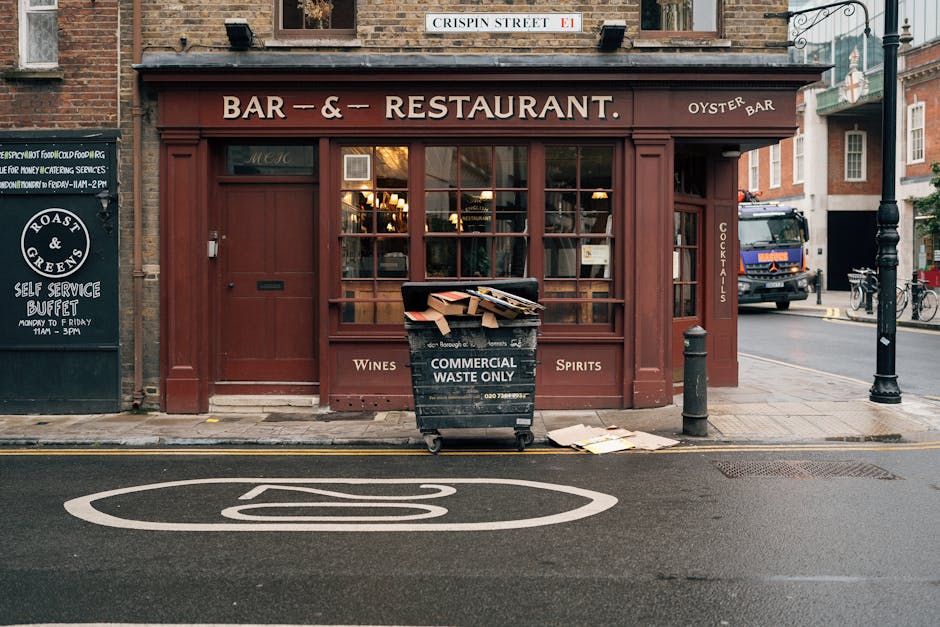
- Assuming a front-of-house area is private. In some buildings, it is shared or council-managed, which changes everything.
- Leaving the permit until the last minute. That can delay the job or force a rushed decision.
- Ignoring traffic and pedestrian flow. A skip on a narrow road can cause friction fast.
- Overfilling the skip. Waste should stay within the container height; otherwise collection may be refused.
- Choosing the wrong disposal method. A skip is not always the best answer for a small, awkward, or urgent job.
- Forgetting about shared buildings. Flats and managed properties often have extra rules beyond the street-level permit question.
There is also the fly-tipping risk. If a skip is left accessible in the wrong place, people can dump waste into it, or around it, and that can create extra cost and stress. Nobody needs that. If you want a practical read on this, see avoiding fly-tipping around Sheldon Square for the kind of issues that can arise in busy local areas.
Tools, Resources and Recommendations
You do not need a big toolkit to make a sensible skip-hire decision, but a few basics help.
- Site photos: useful for checking access and explaining the placement.
- Rough waste list: helps you choose the right skip type or alternative service.
- Measuring tape: for confirming whether the skip can fit safely.
- Calendar or diary: to plan around delivery, permit timing, and collection.
- Property plan or entry notes: especially handy for flats, mews homes, and managed buildings.
From a service standpoint, it is worth comparing a few related options before you decide. A full skip hire is best when the volume is high and the waste will build up over several days. A waste collection service works better for smaller loads or quick turnaround. A clearance service is often strongest when the job includes awkward lifting, furniture, or a property with limited space. You can explore those options through waste removal in Paddington, rubbish collection in Paddington, and office clearance in Paddington if the waste is commercial or mixed.
For readers interested in how a business approaches service and reliability, the about us page offers a useful sense of values and working approach. That kind of background can be reassuring when you are handing over access, timing, and disposal responsibility.
Law, Compliance, Standards and Best Practice
Without turning this into a legal lecture, the compliance basics are straightforward. If a skip is placed on a public highway, it normally needs permission from the relevant local authority or highway authority. The hire provider usually handles the administrative side, but you should still confirm who is responsible for arranging it. That detail matters. More than a little.
Best practice also means using a reputable provider that understands safe placement, correct loading, and responsible disposal. In the UK, waste should be handled by authorised operators and transported lawfully. You do not need to become an expert in waste legislation to make a good decision, but you should expect clear answers about where waste goes, how it is managed, and what happens if the skip needs to sit on the street.
If safety is a concern, especially on busy residential streets or where children and pedestrians pass close by, it is sensible to ask how the skip will be made visible and secure. Reflective markers, correct positioning, and sensible timing all help. Our insurance and safety page gives a broader sense of the care expected when services are carried out responsibly.
There are also practical standards that are not always written into every booking, but still matter: do not block entrances, do not obstruct emergency access, do not overload the skip, and do not leave it in a way that creates hazards. Common sense, yes. But in a dense area like W2, common sense is doing a lot of work.
Options, Methods, or Comparison Table
If you are trying to decide between a skip and other waste solutions, this quick comparison will help.
| Option | Best for | Permit likely needed? | Strengths | Limitations |
|---|---|---|---|---|
| Skip on private land | Driveways, forecourts, private yards | Usually no | Simple, convenient, good for ongoing waste | Needs enough space and access |
| Skip on road or pavement | Properties without private space | Usually yes | Useful when access is limited | Permit timing, placement rules, street disruption |
| Rubbish collection service | Smaller, quicker clearances | No skip permit usually | Flexible, fast, less space needed | Not ideal for very large volumes |
| Full clearance service | Bulky items, whole-room clearances, difficult access | No skip permit usually | Less lifting for you, more hands-on | Can be less suited to waste you want to load gradually |
The comparison is not about which option is "best" in theory. It is about the one that fits your property, the waste, and the street outside. For some W2 homes, a skip is perfect. For others, it is honestly the wrong tool. If you are not sure, ask yourself one question: do you actually need a container sitting outside for several days, or do you just need the waste gone? That answer usually points you in the right direction.
Case Study or Real-World Example
A typical W2 scenario goes like this. A couple in a Paddington flat are replacing a kitchen and clearing out old units, broken tiles, packaging, and a few bulky items. They first assume they can have a skip placed outside the building entrance. On checking the layout, they realise the space is shared, not private, and the pavement is too narrow for casual placement. The plan changes.
Instead of pushing ahead with a street skip and waiting for a permit process they had not budgeted time for, they switch to a waste removal option combined with a smaller collection for the heaviest items. The job gets done without blocking access, the neighbours stay happier, and the project does not stall for a week. Not dramatic, just sensible.
That kind of adjustment is common. The best outcome is often not the first idea. It is the version that fits the street, the building, and the timeline. In more complex cases, especially where a property is being emptied room by room, a service like house clearance in Paddington can be much less stressful than trying to make a skip do all the work.
Practical Checklist
Before you book, run through this checklist. It is boring, yes, but useful. Very useful.
- Have I confirmed whether the skip will sit on private or public land?
- Do I know if the location is shared, managed, or restricted in any way?
- Have I checked access for the skip lorry?
- Do I know what type of waste I am throwing away?
- Have I chosen the right skip size or alternative service?
- Have I allowed time for any permit process if needed?
- Do I understand who is arranging the permit?
- Have I planned where the skip will go without blocking doors, bins, or sightlines?
- Have I checked collection timing as well as delivery timing?
- Have I considered whether a faster collection or clearance service would be easier?
If you can tick most of those off, you are in good shape. If not, pause and re-check. A ten-minute rethink can save a messy afternoon.
Conclusion
So, do you need a permit for skip hire in W2? In most cases, yes if the skip will sit on a public road or pavement; usually no if it stays fully on private land. The real challenge is not the rule itself, but working out exactly where your skip will go and whether that space is truly private. In Paddington, with its tight streets and varied building layouts, that question deserves a proper answer before you book.
The best approach is simple: check the location, confirm the access, think about the waste type, and choose the disposal method that suits the property rather than forcing the property to suit the skip. That way, you avoid delays, reduce risk, and keep the whole job calm. Well, as calm as waste removal ever gets.
For a smoother decision, take a look at the wider service information on our services overview and compare it with your project needs. A little planning now really does make the whole process easier later.
Get a free quote today and see how much you can save.

Copyright © . House Clearance Paddington. All Rights Reserved.