Clearing hoarder-type properties in Paddington: solutions
Posted on 02/06/2026
Clearing hoarder-type properties in Paddington: solutions that actually work
Hoarder-type properties can feel overwhelming before anyone even opens the front door. There may be narrow pathways, stacked bags, old furniture, mixed waste, hidden damp, or items with emotional value tucked into the middle of everything. If you are dealing with Clearing hoarder-type properties in Paddington: solutions, the good news is that there is a sensible way through it. You do not have to solve the whole problem in one go, and you definitely do not need to pretend it is a simple tidy-up.
In Paddington, where many homes are flats, conversions, or compact properties with tight access, the clearance process needs to be careful, discreet, and well planned. This guide walks through how the work is usually handled, what makes a difference, what to avoid, and how to choose the right approach for a real-world clearance. It is practical, local, and written for people who want results without extra stress. Let's face it, a big clutter job is rarely just about clutter.
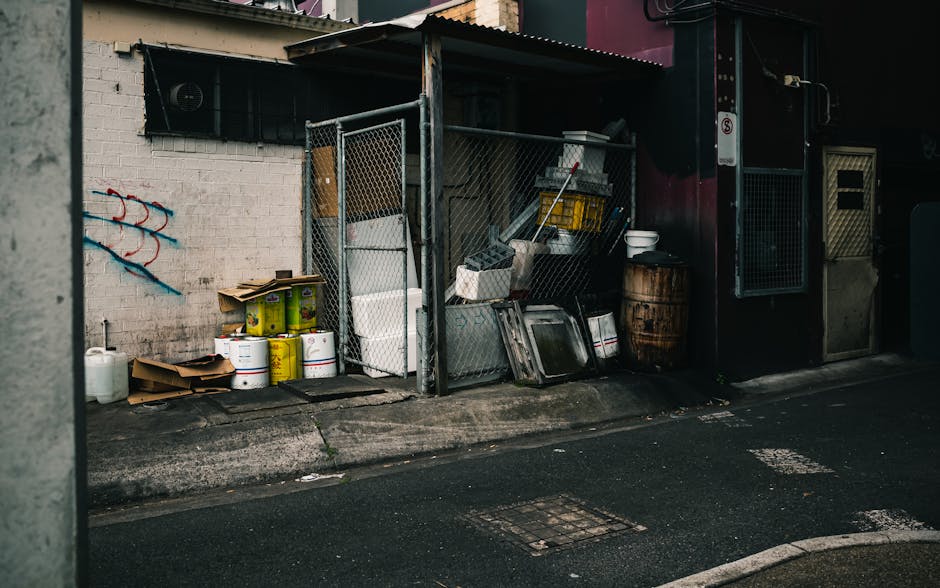
Why Clearing hoarder-type properties in Paddington: solutions matters
Hoarding situations are not the same as a normal house clearance. The property may be unsafe to walk through, difficult to assess, and emotionally charged for everyone involved. In Paddington, this can become even more complicated because access is often limited: basement flats, top-floor conversions, shared stairwells, resident parking restrictions, and busy streets all add friction. What looks like a straightforward job from the outside can quickly turn into a careful operation.
The biggest reason this matters is safety. Piled items can block exits, hide hazards, and create trip risks. You may also find spoiled food, mould, broken glass, sharp objects, insects, or damaged electrics. The smell alone can make it hard to stay in the room for long. Not glamorous, no - but very real.
There is also the human side. Hoarder-type homes often involve grief, isolation, illness, bereavement, depression, or a long build-up of small decisions that eventually became too much. A good clearance approach respects that reality instead of bulldozing through it. That's a big difference.
If you are also thinking about property value, tenancy turnaround, probate, or preparing a flat for sale, then a clean, staged clearance can protect the next step. For readers researching the local market, investing in Paddington property and buying property wisely in Paddington both help frame why presentation and condition matter so much in this part of London.
Practical takeaway: hoarder-type clearances work best when safety, sensitivity, and sorting are handled together rather than as separate jobs.
How Clearing hoarder-type properties in Paddington: solutions works
The process usually starts with a proper assessment. That means looking at access, volume, room-by-room hazards, items that may need to be kept, and what type of disposal is involved. In a Paddington property, the access question is often just as important as the clearance itself. Can a van get close? Are there stairs? Is there lift access? Can waste be moved without disrupting neighbours? Small things, but they change everything.
From there, the work is usually broken into phases. Most experienced teams do not try to empty everything at once. They plan the route, protect floors and common areas, and decide what should happen first: safe walking paths, essential belongings, hazardous items, bulky furniture, or waste that can be removed immediately. The order matters more than people think.
Sorting is another key part. Not every item is rubbish, and not every bag should be treated the same. There may be documents, keepsakes, medication, valuables, or important paperwork hidden among the clutter. A careful clearance team will pause when needed rather than rushing. That pause can save a lot of regret later.
Depending on the situation, the work may also involve coordination with landlords, executors, family members, housing managers, or letting agents. If you are clearing a property after a tenant has left a difficult situation behind, the commercial side of the job becomes just as relevant as the physical one. The wider service picture on services overview can help you understand where hoarder clearance sits alongside general waste removal and house clearance.
Finally, disposal should be separated into categories where possible: reusable items, recyclable materials, general waste, and anything special that needs extra care. Good clearance is not just about getting things out of the building. It is about getting the right things out in the right way.
Key Benefits and Practical Advantages
A proper clearance plan does more than make a property look better. It reduces immediate risks, improves access, and makes the whole place easier to assess. For homeowners, that can mean being able to live in the property safely again. For families, it can mean finally moving a probate matter forward. For landlords and agents, it can mean getting the flat ready for inspection, repair, or re-letting without long delays.
Here are the most common benefits people notice:
- Safer access through hallways, stairs, and rooms.
- Less stress because the job is divided into manageable stages.
- Better decision-making when important items are sorted before disposal.
- Improved hygiene once waste, spoiled items, and dust are removed.
- Faster property recovery for sale, rental, refurbishment, or family use.
- More respectful handling of items with sentimental or legal value.
There is also a quieter benefit: relief. People often underestimate that part. Once the room is passable again, the whole atmosphere changes. You can hear yourself think. You can open a window. You can start to see the floor. That sounds small, but in a cluttered home it is huge.
For people planning a larger clearance alongside other waste work, waste removal in Paddington and rubbish collection in Paddington are relevant next steps because a hoarder-type property often generates mixed material rather than one tidy category of waste.
Who This Is For and When It Makes Sense
This kind of service is not only for extreme cases, even though that is often how people picture it. You might need hoarder-type property clearance if you are:
- a homeowner who has fallen behind on clutter and wants a reset;
- a relative helping after illness, bereavement, or a long period of disengagement;
- a landlord or letting agent dealing with a property that cannot be reused as it stands;
- an executor managing a probate property with mixed contents and limited time;
- a buyer or investor who has found a flat that needs major clearance before works can begin.
It also makes sense when the property is technically "liveable" but not practically workable. Maybe you can move through the bedroom, but the kitchen is inaccessible. Maybe the hallway is clear, but the bathroom is not. Maybe there is a pattern of accumulation that keeps getting worse. Truth be told, that middle ground is where many people wait too long.
If you are considering the property as part of a wider location or investment decision, you may also find this local review of life in Paddington and a neighbourhood worth discovering in Paddington useful for understanding the area context before making larger decisions.
It makes sense to act when the clutter begins to affect sleep, cooking, heating, safety, neighbour relations, or the ability to sell, insure, or maintain the home. That is usually the tipping point. Not the photo-perfect threshold people imagine, but the everyday one.
Step-by-Step Guidance
Here is a practical way to approach a clearance without making it feel impossible.
- Do a short initial survey. Walk through as much as you safely can and identify obvious hazards, access issues, and rooms that need priority.
- Decide what must be saved. Documents, medication, keys, jewellery, photographs, and legal paperwork should be separated early.
- Set a clear goal. Are you restoring the home for living, preparing for sale, or making it ready for works? Each goal changes the plan slightly.
- Work room by room. This reduces overwhelm and prevents the clearance from becoming a random pile-shift exercise.
- Remove obvious waste first. Broken items, empty packaging, rotten food, and damaged materials are usually the quickest wins.
- Sort reusable and recyclable items. A careful team will look for anything that can be diverted away from landfill where possible.
- Clear bulky items safely. Furniture, mattresses, and large appliances often need more than one person and a sensible route out.
- Do a second pass. This is where hidden items, paperwork, and overlooked corners are checked again.
- Sanitise and ventilate. Once the clutter is gone, airflow and cleaning become much more effective.
In Paddington flats, this process may need extra care around shared areas. A hallway with poor turning space or a narrow stairwell can change the sequence of removal entirely. Sometimes the safest route is the slow route. Annoying, yes. Necessary, also yes.
For people who need the work done quickly, same-day rubbish removal in Paddington can be useful context, though a hoarder-type clearance is usually more complex than a standard same-day collection. Not every job should be rushed just because it can be.
Expert Tips for Better Results
The best clearances are rarely the fastest ones. They are the most organised ones. If you want a better outcome, keep these tips in mind.
- Start with the access route. Make sure the path in and out is planned before anything else moves.
- Use categories instead of piles. Keep a simple system: keep, donate/reuse, recycle, dispose, unsure.
- Photograph important items early. This helps if multiple family members are involved or if records need to be checked later.
- Do not mix emotional sorting with disposal. They are related, but not the same task.
- Expect surprises. Old paperwork, fragile items, pests, damp patches, and damaged fixtures are common in long-neglected homes.
- Keep water, gloves, and bags ready. Small practical comforts make long jobs much easier. A cup of tea helps too, obviously.
Another quiet but important tip: if a property has been left untouched for a long time, allow for pauses. People often need a minute after seeing the scale of things. That is not weakness. It is normal. A careful pace often leads to better decisions and fewer mistakes.
If you want to align the clearance with a wider disposal strategy, recycling and sustainability is worth reading because sorting decisions can make a real difference to the environmental impact of the job.

Common Mistakes to Avoid
A lot of trouble comes from trying to force a complicated job into a simple one. Here are the errors that tend to cost time, money, or peace of mind.
- Starting without a plan. You end up moving the problem rather than solving it.
- Throwing away paperwork too quickly. Important documents can hide in obvious-looking rubbish.
- Ignoring safety hazards. Broken glass, blocked exits, mould, sharps, and unstable piles need attention first.
- Underestimating access issues. A van booking that ignores stair height or parking limits can go sideways quickly.
- Trying to do everything in one day. Sometimes possible, often not sensible.
- Not separating special items. Batteries, paints, electricals, or hazardous materials should not be handled as ordinary waste.
- Assuming all clutter is junk. That is how people lose valuables, records, or sentimental items they later miss badly.
It is also a mistake to approach the property with frustration. That emotional reaction is understandable, but it can make people rush. And rushing hoarder-type clearances is how important things get missed. Simple as that.
Tools, Resources and Recommendations
You do not need a warehouse of kit, but a few practical tools can make the process far smoother. Good gloves, heavy-duty sacks, bin liners, labels, marker pens, dust sheets, basic disinfectant, a torch, and sturdy footwear are the starting point. If the property is badly cluttered, face masks and eye protection may also be sensible depending on dust or contamination.
For documentation and planning, a notebook and phone camera are often enough. Write down what has been kept, what has been questioned, and what needs a second review. That simple record can save arguments later, especially in family or probate situations. No one wants to be debating a box of photographs three weeks afterwards.
From a service perspective, a useful starting point is house clearance in Paddington, which is a natural fit when the job includes large volumes of mixed contents. If the clearance involves a mixture of household items, heavy furniture, and general waste, services overview can help you map the best route through the available options.
For jobs with a strong waste disposal element, insurance and safety is worth checking because complex clearances benefit from proper risk awareness, not guesswork. And if you are balancing payment decisions, the page on pricing and quotes is the sensible place to understand how estimates are usually handled.
Law, Compliance, Standards, or Best Practice
For hoarder-type property clearance, the key point is not to turn a domestic job into a legal seminar. Still, there are important best-practice expectations in the UK. Waste should be handled responsibly, items should not be fly-tipped, and anyone carrying waste for hire should be properly authorised to do so. If a clearance includes business waste, more care may be needed around classification and paperwork.
Best practice also means protecting vulnerable occupants and respecting privacy. Personal documents, medical items, financial records, and sentimental belongings should be handled carefully. If family members or executors are involved, keep communication clear and agree in advance what should happen to uncertain items.
On the operational side, good providers should have sensible safety procedures, suitable vehicles, and a process for sorting material where possible. They should also be upfront about what they can and cannot take. If something appears hazardous, do not assume it can just be loaded with the rest and sorted out later. That is not how safe clearance should work.
Trust matters here too. The team should work ethically, respect the occupant, and avoid pressure tactics. For reassurance on that wider standard of conduct, pages like about us, terms and conditions, payment and security, and modern slavery statement are useful trust signals to review before committing to any provider.
Options, Methods, or Comparison Table
Different situations call for different approaches. Here is a straightforward comparison to help you think it through.
| Method | Best for | Pros | Limitations |
|---|---|---|---|
| DIY clearance | Very small, low-risk rooms | Can save money, full control over items | Slow, physically demanding, emotionally draining, higher risk of missed valuables |
| Family-assisted clearance | Personal homes with sentimental sorting | Good for decision-making, keeps important items in the loop | Can become stressful or emotional very quickly |
| Professional hoarder-type clearance | Large, unsafe, or time-sensitive properties | Better for access, safety, sorting, and disposal logistics | Costs more than doing it yourself, though often better value overall |
| Staged clearance with follow-up cleaning | Severe properties or long-term recovery plans | Most manageable, good for sensitive situations | Takes longer and requires coordination |
In many Paddington cases, a staged professional approach is the sweet spot. It gives the best balance of control, safety, and momentum. A fully DIY attempt may look cheaper on paper, but once you factor in time, vehicle hire, disposal runs, and stress, the picture changes. Often quite a lot.
Case Study or Real-World Example
Here is a realistic example based on the kind of job that comes up in central London. A one-bedroom flat near Paddington Station had become heavily cluttered over several years. The corridor was barely passable, the kitchen held stacked bags and old small appliances, and the bedroom contained a mix of clothes, documents, and furniture that had to be checked before removal. The resident wanted the property ready for family use and a future deep clean.
The first step was not clearing. It was sorting. The most important papers were set aside, medication was identified, and a small box of keepsakes was separated before any waste work began. Then the team opened up a path from the front door to the main rooms. That alone made the flat feel different. Not clean, not yet. But possible.
After that came bulky removal, bagging, and a second review of each area. A few useful items were found right at the end, including a small envelope tucked into a drawer and a photo album inside a wardrobe box. Nothing dramatic, just the kind of thing that would have been lost if the job had been rushed. By late afternoon, the property was workable again, and the following day the cleaner could actually do their job properly. Which, honestly, is the point.
If the property is in a busier part of the area, local travel and parking strategy can matter as much as the clearance itself. For a broader sense of local movement and neighbourhood context, best rubbish removal on Praed Street Paddington offers a useful nearby reference point.
Practical Checklist
Use this checklist before, during, and after the clearance. It keeps the job grounded.
- Confirm who is authorising the clearance.
- Identify any items that must be kept, reviewed, or signed off first.
- Check access: stairs, lift, parking, entry codes, and neighbour considerations.
- Look for obvious hazards such as mould, sharps, pests, or damaged electrics.
- Separate documents, medication, jewellery, keys, and sentimental items.
- Decide whether the job needs one visit or a staged approach.
- Ask how mixed waste, bulky items, and recyclable materials will be handled.
- Make sure the provider explains insurance, safety, and disposal practice clearly.
- Arrange follow-up cleaning if the property needs it.
- Keep a simple inventory of items removed or retained.
Useful reminder: if a job feels too big to start, the first win is usually not emptying a room. It is creating one clear path through it.
Get a free quote today and see how much you can save.
Conclusion
Clearing hoarder-type properties in Paddington is never just a "remove the rubbish" job. It is a mix of planning, sensitivity, safe handling, and a steady process that respects both the property and the people attached to it. The best solutions are the ones that reduce pressure rather than add to it.
If you take one thing from this guide, let it be this: start with safety, protect the important items, and work in stages if needed. That approach is calmer, more effective, and usually far less painful for everyone involved. And once the space begins to open up, even by a little, you tend to feel the change straight away. A bit more air. A bit more room. A bit more hope, really.


Copyright © . House Clearance Paddington. All Rights Reserved.